

Cromática Journal
Timeless Doesn't Have to Mean Boring
Por Natalia Gonort
Designing for Today or Building for Tomorrow
A reflection on trends, identity, and the value of creating brands that last.
I've spent several years creating and building brands, and if there's one thing I've realized along the way, it's that we live in a world where everything moves faster than ever.
What feels innovative today can feel repetitive tomorrow. Trends emerge, go viral, and disappear almost as quickly. And those of us working in the creative industry are constantly exposed to new references, styles, and ways of communicating.
I won't deny it: I love trends. I enjoy discovering what's happening in the design world, finding new inspiration, and understanding where the industry is heading. I believe staying up to date is an essential part of what we do.
But I've also learned something: not everything that's trending makes sense for every brand.
And that brings me to a question I find increasingly important: Are we designing brands to stand out today, or to stay relevant tomorrow?
When Everything Starts to Look the Same
There's something that always catches my attention when I look at certain industries.
Suddenly, every skincare brand seems to be using similar typography. Pilates studios share the same neutral color palettes. Coffee shops, restaurants, and even fashion brands start following nearly identical visual codes.
And the interesting thing is that many of these identities are actually very well designed. They're attractive, carefully crafted, and visually appealing.
But when you put them side by side, it becomes difficult to tell them apart.
I think that's one of the biggest challenges in our industry today: we've reached a point where something can look incredible and still lack a personality of its own.
Because a beautiful brand isn't necessarily a memorable one.
It's Not About Ignoring Trends
I also don't believe the answer is to go against everything that's popular.
Trends matter. They help us understand cultural context, shifts in people's behavior, and the way visual communication evolves.
The problem, from my perspective, begins when a trend becomes the main reason behind a creative decision.
Over the years, I've learned that before asking ourselves what we want a brand to look like, we need to understand who it is, what it stands for, and what makes it different.
It may sound obvious, but in a world where thousands of references are just a click away, it's easy to start designing based on what we see rather than what a brand actually needs.
And to me, that's the difference between following a trend and building an identity.
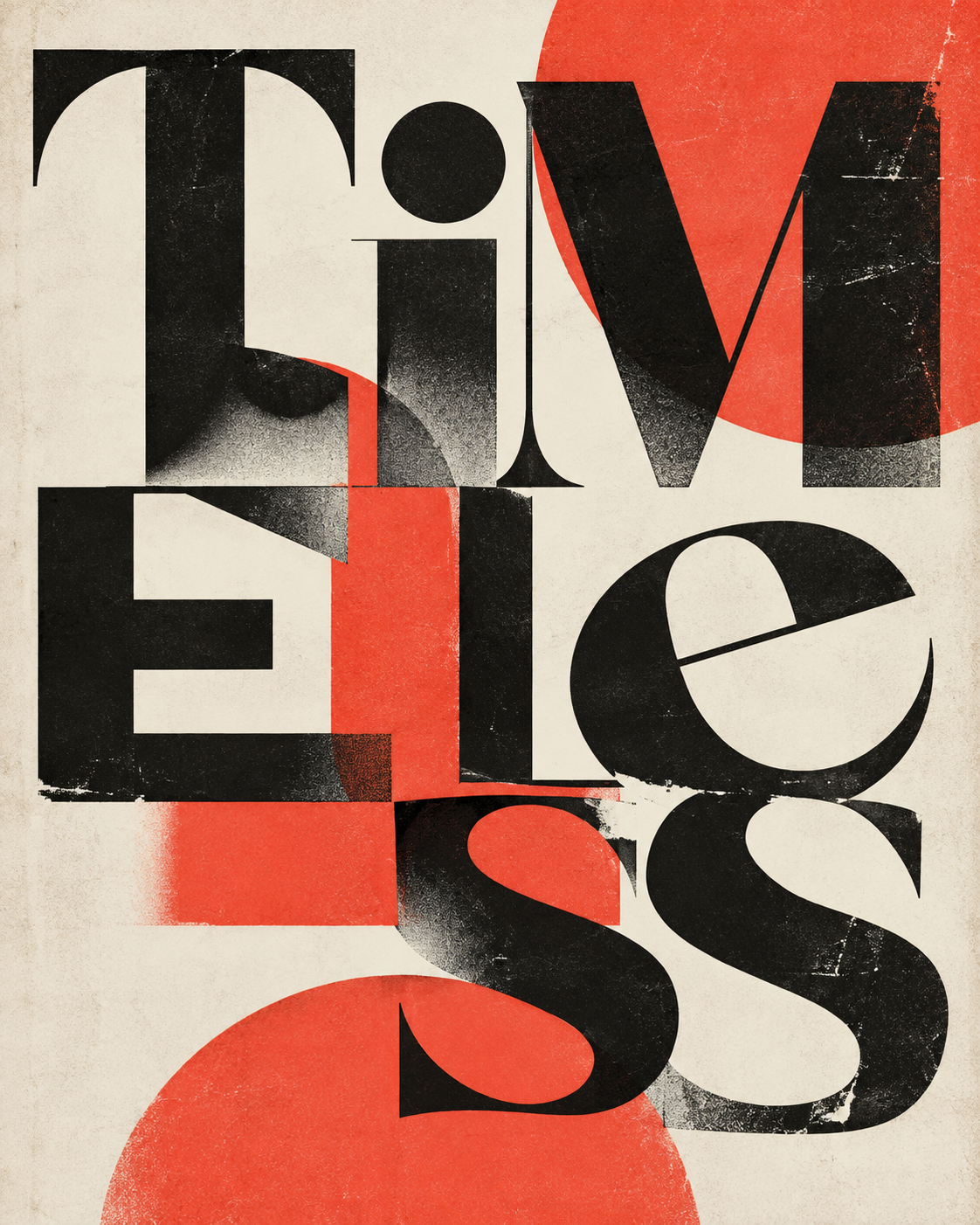
Timeless Doesn't Have to Mean Boring
Another thing I've learned is that a brand designed to last doesn't have to be minimalist, serious, or conservative.
In fact, some of the identities I admire most are bold, colorful, unexpected, and full of personality.
I think we often confuse timeless with neutral, when in reality, a brand can be disruptive and remain relevant for years.
The key is making creative decisions with intention.
Making sure that a typeface, a color, an illustration, or a photographic direction isn't there simply because it looks good, but because it helps build a visual world that truly belongs to that brand.
To me, a strong identity isn't one that never changes, but one that can evolve without losing its essence.
Designing for What's Next
As Creative Director at Cromática, one of the things I enjoy most about my work is finding that balance between what's happening today and what a brand needs to grow tomorrow.
I love experimenting, exploring new ideas, and proposing directions that aren't always the most obvious. But I also believe our job is knowing when a creative decision adds real value and when it's simply a response to something we've been seeing everywhere.
It's not always about making the boldest or most unconventional choice. It's about finding what truly makes sense.
Because when we build a brand, we're not just thinking about how it will look on launch day. We're creating the foundation for something that needs to work across different formats, grow with the business, and connect with people over time.
And while we can't predict what design will look like ten years from now, we can build identities with a personality strong enough to adapt to whatever comes next.
After all these years working in branding, there's one thing I've become increasingly convinced of:
The real challenge isn't designing a brand that looks current. It's building a brand that still has something to say when what's current is no longer relevant.